
Table of Contents
Why Exterior Upgrades Need a Three-Way Balance
Most exterior projects are judged first on price, but the cheapest option on the quote is rarely the cheapest option over the life of the house. Cost, durability, and maintenance pull against each other. A material that costs less to install may need repainting every few years, while a premium material may take a larger bite out of the budget on day one and then ask very little afterward.
A useful way to frame any exterior decision is to ask three questions:
- Cost: What is the installed price, including labor, access equipment, and preparation work?
- Durability: How long will the material perform in your climate before it needs replacement?
- Maintenance: How often will it need cleaning, sealing, painting, or repair, and what does each task cost in time and money?
Answering all three gives a far clearer picture than comparing sticker prices alone. A project that looks expensive in year one can be the lower-cost choice across a 20- or 30-year horizon.
Siding and Cladding: Upfront Cost Versus Lifespan
Siding is usually the largest exterior expense, so it deserves the closest comparison. The table below summarizes typical installed price ranges, drawn from published cost data compiled by the Building America Solution Center, alongside general notes on durability and upkeep. Prices vary by region, labor market, and home complexity, so treat them as planning estimates rather than quotes.
The pattern is consistent: the materials with the lowest upfront price tend to demand the most attention later, and the most durable options cost more at installation. Engineered options such as composite cladding sit between these extremes, offering a wood-like look with better moisture resistance than solid timber, though pricing and warranties vary by manufacturer.
When comparing bids, ask each contractor to include:
- Removal and disposal of the old siding
- Moisture barrier and flashing replacement, which affects long-term durability
- Warranty terms for both the material and the labor
- Expected repainting or resealing intervals
Paint and Protective Finishes
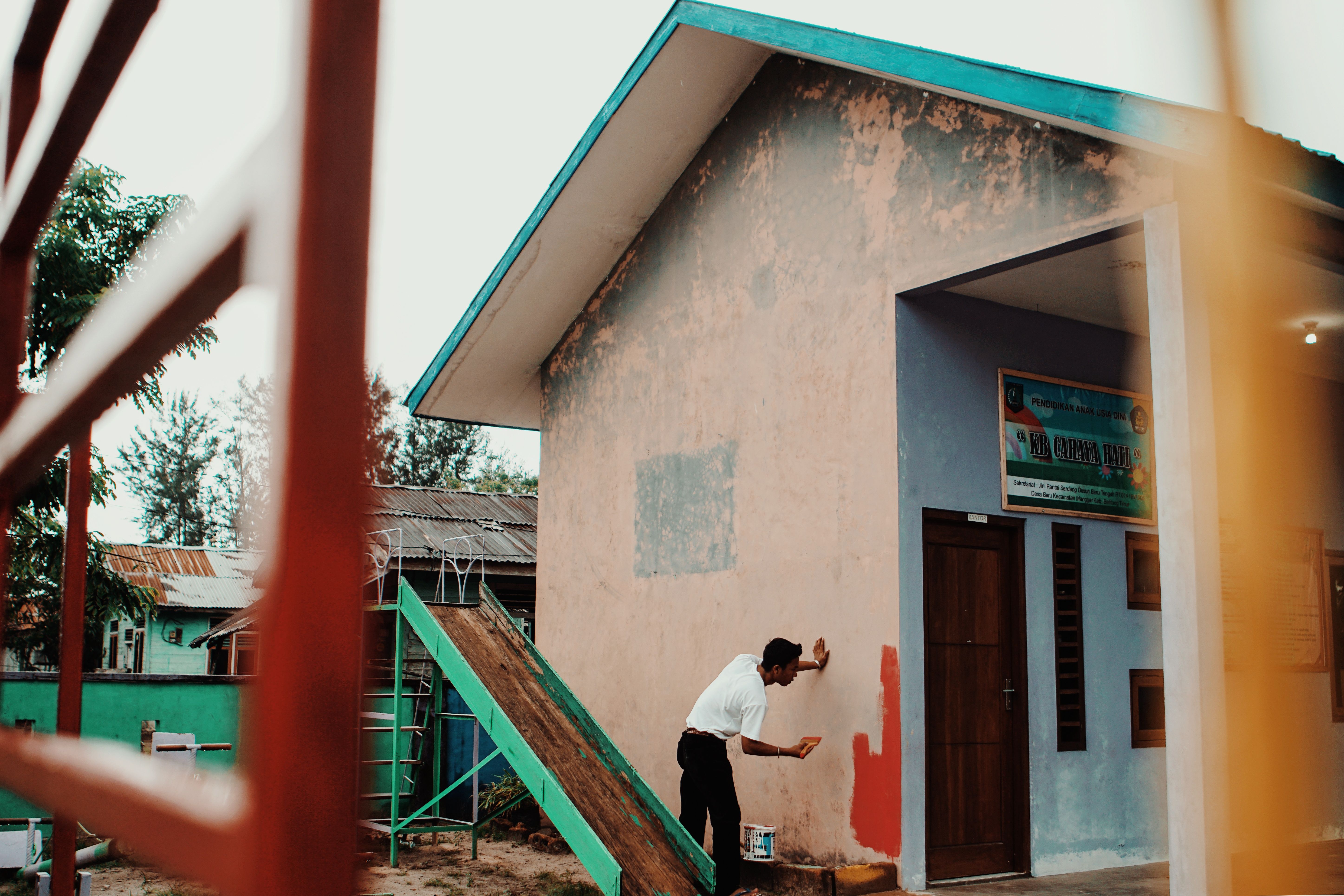
Paint is inexpensive relative to siding, which makes it tempting to treat it as a minor line item. In practice, the coating is what protects the substrate, and its condition determines how often the wall needs attention. A high-quality exterior paint with proper surface preparation can outlast a cheap job by several years, which often offsets the higher material cost.
Keep an eye on these warning signs that a coating is failing:
- Peeling, chalking, or blistering paint
- Visible mildew in shaded or north-facing areas
- Gaps in caulk where trim meets siding
- Raised grain or soft spots on wood surfaces
Catching these early usually means spot repair rather than a full repaint, which keeps maintenance costs predictable.
Windows and Doors: Energy Performance and Upkeep
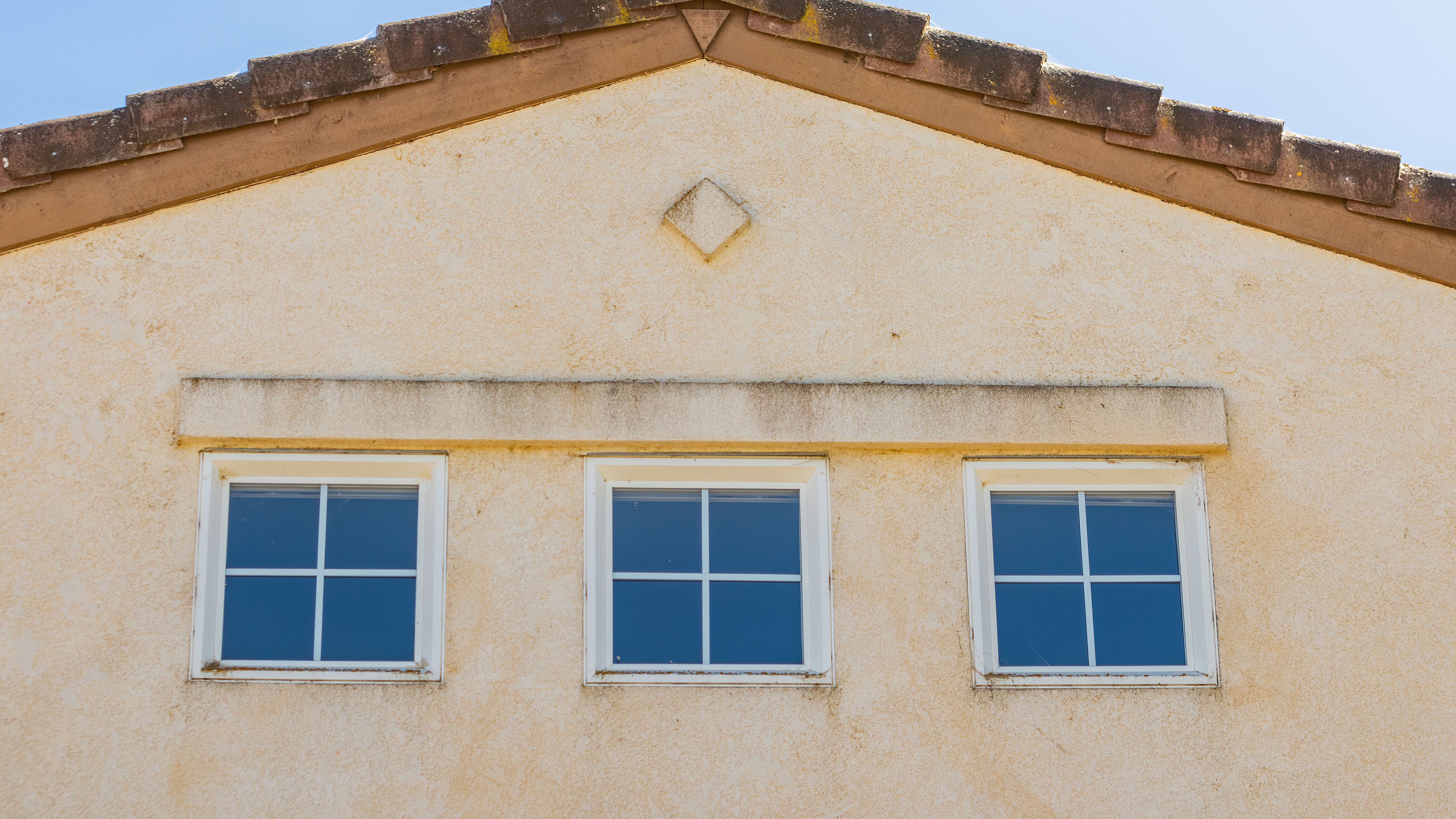
Windows are a special case because they affect comfort and utility bills as well as upkeep. The Energy Saver guide from the U.S. Department of Energy notes that air leaks are among the greatest sources of energy loss in a home, and that sealing them can reduce heating and cooling bills noticeably. Before replacing a window, it is often worth checking whether the problem is the glass or the seal around it.
A practical approach looks like this:
- 低-cost first step: Re-caulk and weatherstrip. This is inexpensive and addresses many drafts.
- Middle option: Add exterior or interior storm windows to an existing frame.
- Full replacement: Choose ENERGY STAR-rated units with low-e coatings suited to your climate.
Replacement windows carry a higher upfront cost, but they reduce the recurring tasks of re-glazing, seal repair, and hardware lubrication. Doors follow the same logic: a solid door with durable weatherstripping and a quality threshold usually costs less over time than repeatedly patching a warped one.
Decks, Patios, and a Maintenance Calendar
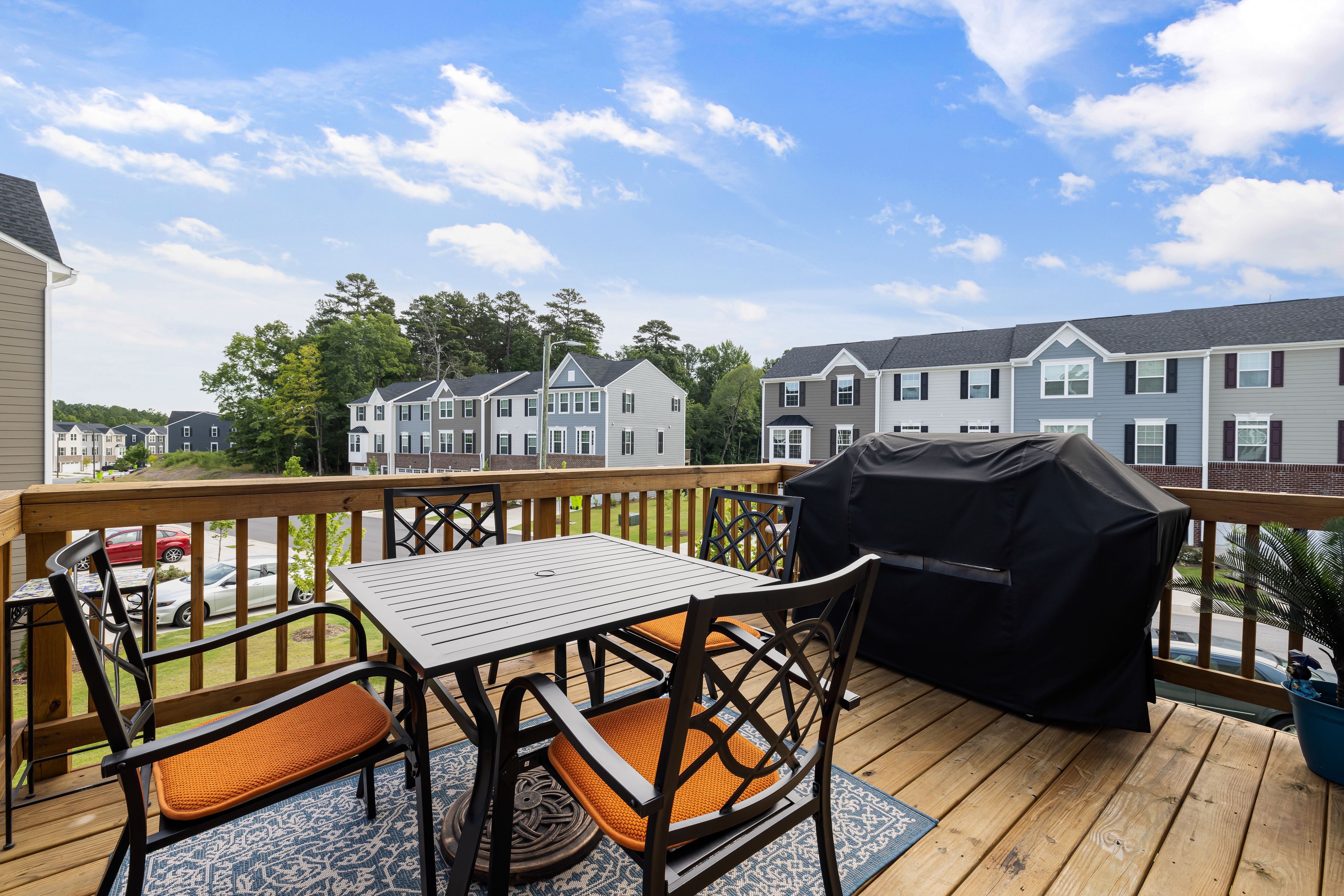
Decks and patios illustrate the cost-maintenance trade-off clearly. Pressure-treated lumber has a modest build cost, but it requires periodic sealing and inspection of fasteners and ledger connections. Composite decking costs more at installation and needs far less routine work. Stone or concrete patios have a higher initial price but are rarely the source of recurring spending.
Whatever you choose, a predictable maintenance calendar prevents small problems from becoming expensive ones. A simple schedule might include:
- Spring: Wash siding, inspect caulk and paint, and clear gutters after winter debris.
- Summer: Check deck boards and railings, and trim plants that touch the house.
- Fall: Clean gutters again, check roof flashing and weatherstripping, and seal any cracks before freezing weather.
- Every few years: Repaint or restain wood surfaces and have the roof professionally inspected.
Home maintenance guidance from NC State Extension’s preventative home maintenance publication recommends inspecting the house and yard at least every six months, and more often if you are in a harsh climate. Repairs made promptly, such as replacing worn shingles or sealing a leak, usually cost far less than the damage they prevent.
Putting the Balance Into Practice
There is no single best exterior material. The right choice depends on how long you plan to stay, how much time you want to spend on upkeep, your local climate, and how much capital is available now. A homeowner planning to sell within three years may reasonably favor a lower installed price, while someone staying for two decades may find that a durable, low-maintenance product pays for itself many times over.
Start by listing the three factors for each option you are considering, then estimate the cost over a realistic ownership period rather than the first year alone. That comparison, combined with a written maintenance schedule, turns an exterior upgrade from a one-time expense into a long-term plan that protects both the house and the budget.